Concrete Contractor Services in Flagstaff: From Foundations to Decorative Concrete
Concrete construction supports nearly every type of property in Flagstaff, Arizona. Residential driveways provide access to homes, commercial slabs support business operations, and foundations create the structural base for new buildings. Decorative concrete adds character to patios, walkways, and outdoor gathering spaces. Although these applications serve different purposes, each requires careful planning, proper materials, and experienced installation.
Property owners searching for concrete contractor services in Flagstaff often have specific goals in mind. A homeowner may want to replace an aging driveway or create a backyard patio. A business owner might need a new concrete slab, pedestrian walkway, or commercial foundation. Builders and property managers may require concrete work as part of a larger construction project. In every situation, the contractor must understand the intended use of the installation and the conditions surrounding the property.
Flagstaff presents construction challenges that differ from those in many other Arizona communities. Its high elevation brings freezing winter temperatures, seasonal snowfall, and frequent freeze-thaw cycles. Summer monsoon storms introduce additional moisture and drainage concerns. Contractors must account for these conditions when planning exterior installations and selecting appropriate construction methods.
The range of available concrete services extends well beyond traditional flatwork. Modern concrete construction includes structural foundations, residential improvements, commercial applications, decorative finishes, and complete removal and replacement projects. Understanding these services helps property owners determine what their project requires and how to approach the planning process. This guide explores the concrete construction services available in Flagstaff, explains their practical applications, and highlights the factors that contribute to successful installations throughout northern Arizona.
Explore concrete contractor services in Flagstaff, AZ, including foundations, driveways, patios, commercial slabs, and decorative concrete. Discover how JH Concrete provides residential and commercial concrete installation, removal, and replacement services designed for northern Arizona’s unique climate.
Understanding the Full Range of Concrete Contractor Services in Flagstaff
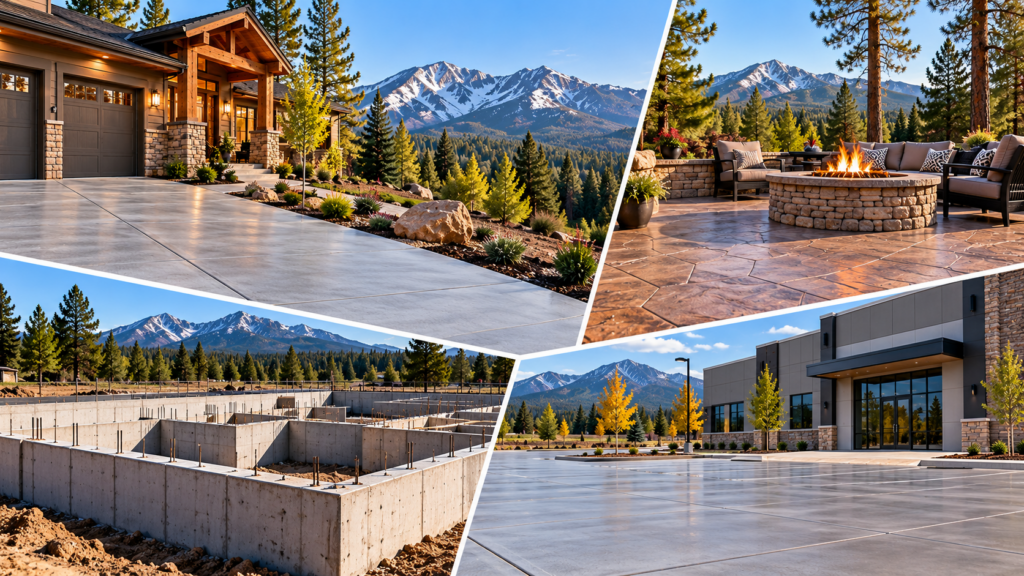
Concrete contractors work on projects that vary significantly in size, complexity, and purpose. Some installations provide structural support for buildings, while others create functional surfaces for vehicles, pedestrians, and outdoor activities. Decorative applications introduce additional design considerations without eliminating the need for sound construction practices. The first step in planning any concrete project involves identifying its intended use. A residential patio must accommodate outdoor furniture and foot traffic. A commercial slab may need to support equipment, storage systems, or other substantial loads. A foundation must transfer structural loads into the supporting ground according to the approved design.
These differences influence the required preparation, concrete specifications, reinforcement, finishing, and curing procedures. Contractors cannot treat every installation as an identical concrete pour. Site conditions also shape the construction process. Flagstaff properties range from relatively level residential lots to sloped commercial sites with limited access. Existing structures, underground utilities, drainage patterns, and surrounding landscaping can introduce additional requirements.
An experienced contractor evaluates these factors before recommending an installation approach. Proper planning helps align the finished concrete with the property’s needs and the project’s specifications. JH Concrete Inc. provides residential, commercial, and decorative concrete construction services throughout the Flagstaff area. Its work includes foundations, driveways, patios, walkways, garage slabs, and concrete removal and replacement.
Concrete Foundations and Footings for New Construction
Concrete foundations serve as the structural base for residential and commercial buildings. They transfer loads from the structure into the supporting ground and help maintain stability throughout the building’s service life. Because foundations perform such an important function, contractors must follow the applicable design requirements and construction specifications. Foundation projects vary according to the building, soil conditions, structural loads, and approved plans. Some structures use slab-on-grade foundations, while others require individual footings or additional foundation elements. Engineers and designers establish the necessary requirements based on the project.
Contractors then translate those plans into construction activities. Excavation establishes the required dimensions and elevations. Workers prepare the supporting ground, install forms, and place reinforcement where specified. Concrete placement and curing complete important stages of the process.
Foundation Construction in Northern Arizona
Flagstaff’s climate introduces considerations that deserve attention during foundation planning. Winter freezing can affect ground conditions, while seasonal moisture influences drainage around buildings. Foundation designs must account for applicable local requirements and the site’s actual conditions. Contractors should follow approved plans rather than relying on generic foundation specifications. Required footing depths, reinforcement details, and other structural features depend on the project.
Drainage also matters. Water that collects around a foundation can create moisture problems and affect surrounding soil conditions. Proper grading helps direct surface runoff away from the structure. Foundation work often requires coordination with other construction professionals. Contractors may need to schedule inspections, communicate with builders, and ensure that concrete placement aligns with the larger construction timeline.
JH Concrete offers concrete foundation and footing services for projects that require structural concrete construction.
Residential Concrete Services for Flagstaff Homeowners
Residential concrete projects improve the function, appearance, and accessibility of homes. Driveways, patios, walkways, porches, and garage slabs all contribute to how homeowners use their properties. Although these installations share certain construction methods, each presents different requirements. A driveway must support vehicle traffic, while a patio should provide comfortable outdoor living space. Walkways need appropriate slopes and connections, and garage slabs must accommodate the intended loads.
Contractors begin by evaluating the property and discussing the homeowner’s goals. They consider existing grades, drainage, access, and the relationship between new concrete and surrounding structures.
Concrete Driveways
Driveways represent one of the most common residential concrete installations. They provide vehicle access and contribute significantly to a home’s curb appeal. A successful driveway project begins with suitable preparation. Contractors evaluate the supporting ground, establish the required elevations, and plan drainage before placing concrete. The installation must accommodate vehicle traffic while connecting appropriately with garages, sidewalks, and streets.
Homeowners may choose a conventional broom finish or explore other suitable finishing options. The selected surface should balance appearance, traction, maintenance, and exposure conditions. Older driveways sometimes require complete replacement. Removing the existing concrete allows contractors to evaluate the underlying base and address preparation concerns before installing a new surface.
Concrete Patios
Patios create functional outdoor living areas for dining, relaxing, and entertaining. Concrete offers flexibility in size, shape, and finish, making it suitable for many residential layouts. Contractors must consider how the patio connects with the home and surrounding landscape. Proper elevations and drainage help prevent water from collecting near exterior walls or foundations.
Homeowners can choose simple finishes or decorative treatments that complement the property. The final design should reflect how the space will be used throughout the year.
Concrete Walkways and Sidewalks
Walkways provide convenient access between different areas of a residential property. They connect driveways, entrances, patios, garages, and landscaped spaces. Contractors evaluate the route, width, slope, and adjoining surfaces before installation. Proper grading helps manage runoff and creates more practical transitions between elevations.
Flagstaff’s winter weather makes surface traction an important consideration. Snow and ice can create hazardous conditions, especially on steep or poorly drained walkways.
Garage Slabs and Other Residential Applications
Garage slabs provide stable surfaces for parked vehicles, equipment, and storage. Their design depends on the intended use, supporting conditions, and structural requirements. Residential concrete services also include porches, entryways, exterior stairs, and ramps. These installations require careful planning around access, drainage, and applicable building requirements.
Homeowners can explore JH Concrete’s residential concrete services to learn more about the available applications.
Commercial Concrete Contractor Services in Flagstaff
Commercial concrete construction supports businesses, industrial facilities, retail properties, and other developed sites. These projects often involve larger installation areas, specific performance requirements, and coordination with multiple construction professionals. Commercial concrete may serve as a structural component, a vehicle surface, or a pedestrian access area. The intended use influences the design and construction specifications.
For example, a concrete slab inside a commercial building may need to support equipment, storage systems, or regular material handling. Exterior concrete may accommodate delivery vehicles, customer traffic, or pedestrian circulation. Contractors must understand these requirements before construction begins. They also need to follow approved plans, coordinate inspections where necessary, and work within the project’s schedule.
Commercial Concrete Slabs
Commercial slabs can support a wide range of activities. Their required thickness, reinforcement, joint layout, and surface finish depend on the intended use and approved specifications. A slab designed for ordinary pedestrian activity may have different requirements from one supporting heavy equipment or concentrated loads. Contractors must follow the project’s structural design rather than applying a standard approach to every installation.
Site preparation plays an important role in commercial slab performance. Workers must establish suitable support, maintain required elevations, and prepare the area for concrete placement. Larger slabs also require careful attention to placement sequencing, finishing, and curing. Contractors must coordinate these activities to meet the project’s specifications.
Commercial Sidewalks, Curbs, and Gutters
Commercial properties need practical pedestrian and vehicle circulation. Concrete sidewalks, curbs, and gutters help organize movement throughout parking areas, building entrances, and access routes. Sidewalks may need to meet applicable accessibility requirements. Contractors must consider slopes, transitions, and connections to surrounding pavement.
Curbs help define parking areas and traffic routes. Gutters direct surface runoff toward appropriate drainage locations. These features contribute to the property’s function and help manage water during storms and snowmelt. The design must reflect the site’s approved plans and intended use. Proper grading helps prevent standing water and supports effective drainage.
Commercial Foundations and Site Improvements
Commercial foundations often require close coordination with engineers, builders, and other trades. Contractors must follow structural plans and complete concrete work in the correct sequence. Site improvements may also involve exterior slabs, access areas, and other concrete installations. These projects can require careful scheduling around ongoing business operations or larger construction activities.
Property owners and project managers should discuss access restrictions, construction schedules, and site conditions before work begins. JH Concrete provides commercial concrete services in Flagstaff for qualifying business and construction projects.
Decorative Concrete Services for Residential and Commercial Properties
Concrete does not have to serve only a structural or practical purpose. Decorative techniques allow property owners to customize the appearance of patios, walkways, entrances, and other surfaces. Decorative concrete can complement a building’s architecture and surrounding landscape. Homeowners may use it to create attractive outdoor living areas, while commercial property owners may choose decorative finishes for entrances or pedestrian spaces.
The available options depend on the installation and its intended use. Contractors should evaluate exposure conditions, surface traction, and maintenance requirements before recommending a finish.
Stamped Concrete
Stamped concrete uses specialized tools to create patterns and textures in freshly placed concrete. These patterns can resemble certain characteristics of stone, brick, slate, and other materials. Contractors must carefully coordinate placement and stamping because the concrete changes as it begins to set. Timing influences the quality and consistency of the finished pattern.
Homeowners often consider stamped concrete for patios, walkways, and outdoor gathering spaces. It can provide a distinctive appearance while allowing the surface to function as a concrete installation. However, decorative finishes require realistic maintenance expectations. Property owners should understand cleaning recommendations, potential sealing requirements, and how weather exposure may affect the surface.
Decorative Finishes and Color Options
Concrete finishing methods can produce different textures and appearances. Some property owners prefer a simple, uniform finish, while others want patterns or color treatments that coordinate with nearby structures. The chosen finish should match the project’s practical requirements. Exterior surfaces exposed to moisture and freezing temperatures need appropriate traction and maintenance considerations.
Contractors should discuss these factors before installation. A decorative treatment that looks appealing in a photograph may not suit every location or intended use. JH Concrete provides decorative concrete services for property owners interested in customized concrete installations.
Concrete Removal and Replacement Services
Existing concrete can deteriorate over time because of environmental exposure, ground movement, heavy use, or other conditions. Driveways, patios, walkways, and slabs may develop extensive cracking, settlement, or surface deterioration that affects their function. When a concrete surface no longer meets the property’s needs, removal and replacement may provide a practical solution. This process allows contractors to remove the existing installation, evaluate the exposed ground, and prepare the area for new concrete.
Replacement projects require additional planning because demolition introduces activities that new construction may not involve.
Evaluating Existing Concrete
Before removing a concrete surface, contractors should examine its condition and the surrounding property. They consider the size and thickness of the installation, accessibility, and any connections to nearby structures. Drainage patterns may also influence the replacement design. If the existing concrete directs water toward a building or allows runoff to collect, contractors should consider how the new installation can improve those conditions.
The underlying ground deserves attention as well. Settlement or inadequate support may contribute to deterioration. Removing the old concrete creates an opportunity to evaluate these conditions before replacement.
Demolition, Debris Removal, and New Installation
Concrete removal may involve breaking apart the existing surface and transporting debris away from the site. The contractor must plan this work around nearby structures, landscaping, and utilities. Once the old concrete is removed, workers prepare the exposed area for the replacement. They establish suitable grades, prepare the supporting base, and complete the necessary forming and reinforcement.
The team then places, finishes, and cures the new concrete according to the project’s requirements. JH Concrete specializes in concrete removal and replacement rather than standalone concrete repair services. Property owners can discuss whether replacement is appropriate for their existing installation.
Why Site Preparation Matters for Every Concrete Project
Concrete performance depends on more than the material itself. The conditions beneath the finished surface can influence its stability and long-term serviceability. Contractors must evaluate the supporting ground and prepare the installation area according to the project requirements. This process may involve excavation, grading, compaction, and placement of suitable base materials.
The required preparation depends on the intended use and site conditions. A residential walkway may have different support requirements from a commercial slab or structural foundation.
Soil Conditions and Compaction
The ground beneath concrete must provide suitable support. Loose or unstable material can contribute to uneven settlement and movement. Contractors evaluate the site and complete the necessary preparation before placement. Depending on the project, this may involve removing unsuitable material, adjusting grades, or compacting the supporting base. Proper preparation helps create more consistent support across the installation.
Drainage and Surface Grading
Water management remains a major consideration for exterior concrete. Driveways, patios, and walkways should direct runoff toward suitable drainage areas. Poor grading can allow water to collect on surfaces or flow toward structures. In Flagstaff, snowmelt and summer storms make these concerns especially relevant.
Contractors should evaluate existing drainage patterns and consider how new concrete may affect them. A large patio or driveway can change the movement of surface water across a property. Addressing drainage during construction planning can help prevent avoidable problems after installation.
Concrete Installation in Flagstaff’s High-Elevation Climate
Flagstaff’s weather creates conditions that contractors must consider throughout the construction process. Winter temperatures frequently fall below freezing, while summer storms can bring substantial rainfall. Concrete requires appropriate conditions during placement and curing. Temperature and moisture influence strength development, so contractors must monitor the environment and follow suitable construction practices.
Cold-Weather Concrete Construction
Cold temperatures can slow concrete strength development. Freezing conditions can also damage young concrete if workers fail to provide appropriate protection. Contractors should evaluate weather forecasts before scheduling placement. Depending on the conditions and project specifications, cold-weather construction may require additional precautions.
Homeowners and project managers should recognize that weather can affect the schedule. Postponing a pour may sometimes be the most appropriate decision.
Freeze-Thaw Exposure and Long-Term Performance
Concrete surfaces in Flagstaff may experience repeated freezing and thawing. Moisture that enters the material can freeze and expand, creating internal stresses. The potential for deterioration depends on the concrete mixture, exposure conditions, drainage, installation practices, and maintenance. Contractors should consider these factors when selecting appropriate specifications for exterior applications.
Proper curing and suitable material selection help support concrete performance. Drainage planning also reduces unnecessary moisture exposure. No installation can eliminate every environmental influence, but sound construction practices help address foreseeable conditions.
Understanding the Concrete Installation Process
Although individual projects vary, many concrete installations follow a general sequence. Understanding this process helps property owners prepare for construction and ask informed questions. The project typically begins with a consultation and site evaluation. The contractor reviews the intended use, proposed dimensions, access conditions, and other relevant details.
Next, the team prepares the site. This stage may include demolition, excavation, grading, and base preparation. The contractor then establishes forms and installs any specified reinforcement. Concrete placement follows the preparation work. Workers distribute the material, establish the required elevations, and complete the selected finish.
After finishing, the concrete enters the curing stage. Appropriate curing supports strength development and helps the material achieve its intended performance. The contractor should explain when the surface can safely support foot traffic, vehicles, or other loads. These timelines depend on the installation, weather, and concrete specifications. Clear communication throughout the process helps property owners understand what to expect and how to prepare the surrounding area.
Choosing the Right Concrete Contractor in Flagstaff
Property owners should evaluate several factors before hiring a concrete contractor. Relevant experience, appropriate licensing, project-specific qualifications, and clear communication all contribute to an informed decision. A contractor should understand the proposed installation and explain how the work will proceed. Property owners should ask about site preparation, material specifications, drainage, finishing, and scheduling.
Reviewing completed projects can provide additional insight. Examples of similar work help demonstrate the contractor’s experience with the intended application. Arizona contractor licensing should also be verified through the Arizona Registrar of Contractors. JH Concrete Inc. lists Arizona ROC License #167288, which property owners can independently research.
Compare Project Scope, Not Just Price
Concrete estimates can vary because contractors may propose different preparation methods, materials, or finishing options. Property owners should review what each estimate includes. Demolition, excavation, base preparation, concrete placement, finishing, and cleanup can all influence the total cost.
A lower price may not represent better value if important construction activities are excluded. Conversely, a higher estimate does not automatically guarantee better workmanship. The most useful comparison considers the contractor’s qualifications and the actual work proposed.
Discuss Long-Term Expectations
Concrete offers strength and versatility, but it still requires appropriate maintenance. Exterior surfaces may experience wear, cracking, and environmental exposure over time. Contractors should explain relevant maintenance considerations and provide realistic expectations about the finished installation. Property owners benefit from understanding these factors before construction begins.
JH Concrete Inc.: Concrete Construction Services in Flagstaff Since 1995
For property owners seeking concrete contractor services in Flagstaff, JH Concrete Inc. offers an established local option. Founded in 1995 and owned by Jim Herre, the company provides residential, commercial, and decorative concrete construction services. JH Concrete’s services include driveways, patios, walkways, foundations, garage slabs, decorative concrete, commercial installations, and concrete removal and replacement. This range of applications allows homeowners, builders, and business owners to discuss different concrete construction needs with one company.
Every project requires an approach that reflects its intended use and site conditions. A residential patio presents different considerations from a commercial foundation, while driveway replacement involves additional work compared with a new installation. Understanding these differences helps establish a realistic construction plan. Property owners should begin by discussing their goals, the condition of the site, and the desired result. A project consultation provides an opportunity to identify relevant requirements and determine the next steps. Visit JH Concrete Inc. to learn more about its concrete construction services.
Planning a residential or commercial concrete project in Flagstaff, Arizona? Contact JH Concrete Inc. at (928) 606-1350 to discuss your project and request an estimate.
Need Help With Concrete Cleanup and Debris Removal?
Planning a concrete project or dealing with leftover construction debris? Proper cleanup and waste removal help keep your property organized throughout the construction process. Peak Roll-Off Dumpsters, a locally owned company right here in Flagstaff, Arizona, provides convenient roll-off dumpster rentals for construction projects, renovations, demolition debris, and general property cleanups. Whether you’re a homeowner or contractor, having a dumpster on-site can make debris management easier. Visit Peak Roll-Off Dumpsters to learn more about local dumpster rental options and request a rental. Confirm accepted materials and disposal requirements before loading concrete debris.