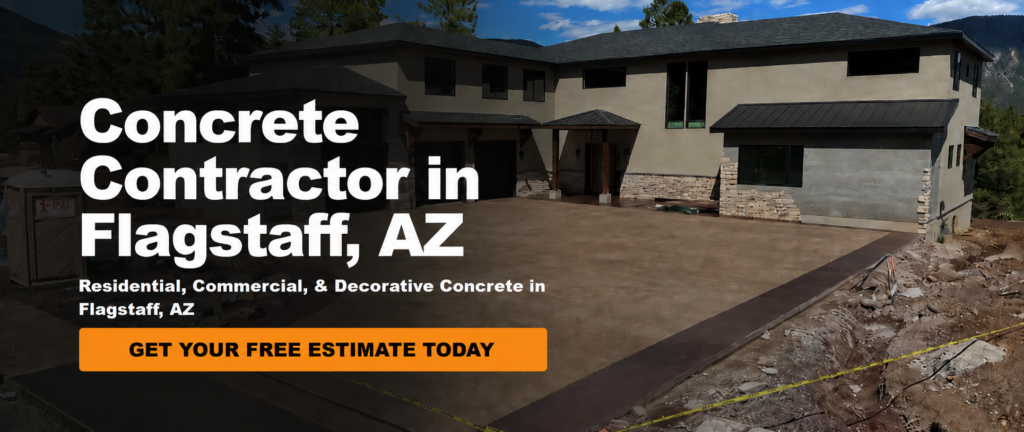
Residential Concrete Contractors in Flagstaff: Services for Homeowners
Concrete plays a major role in the appearance, functionality, and long-term value of residential properties throughout Flagstaff, Arizona. From the driveway that connects a home to the street to the backyard patio where families gather, concrete provides durable surfaces for everyday living. It also supports essential structures such as foundations, garages, porches, and exterior stairways. When homeowners invest in new concrete construction, they want results that look attractive, serve their needs, and withstand years of use.
Finding experienced residential concrete contractors in Flagstaff requires more than choosing a company that can pour a concrete slab. Each project involves decisions about site preparation, drainage, reinforcement, finishing, and environmental exposure. Contractors must understand how these elements work together to create a reliable installation. They also need to recognize the challenges that northern Arizona’s climate presents.
Flagstaff sits at approximately 7,000 feet above sea level. Unlike many communities in southern Arizona, the city experiences freezing temperatures, significant snowfall, and frequent winter weather. Summer monsoon storms introduce additional moisture and drainage concerns. These conditions can affect concrete during installation and throughout its service life. Proper planning helps reduce avoidable problems and supports better long-term performance.
Homeowners may need concrete services for many reasons. Some want to replace a deteriorating driveway, while others plan to expand their outdoor living space. New construction projects often require foundations, garage slabs, and walkways. Older homes may need concrete removal and replacement to improve accessibility, appearance, or functionality. Understanding the available services helps homeowners plan their projects with confidence. It also makes conversations with contractors more productive. The following guide explores common residential concrete installations, important construction considerations, and the benefits of working with an experienced local company.
Explore residential concrete services in Flagstaff, AZ, including driveways, patios, walkways, foundations, garage slabs, and decorative concrete. Learn how proper installation and local expertise help homeowners create durable, attractive concrete surfaces built for northern Arizona’s climate.
Residential Concrete Services for Homes in Flagstaff, Arizona
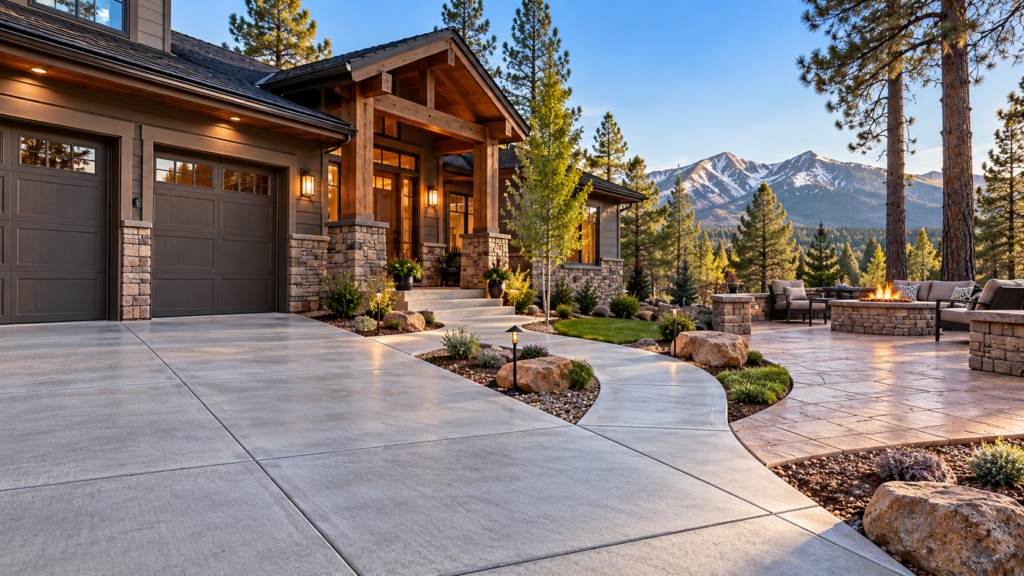
Residential concrete construction includes a wide range of installations that serve different purposes around a home. Although many projects use similar materials, their design and construction requirements can vary considerably. A driveway must support vehicle traffic, while a patio needs to accommodate outdoor activities and furniture. A foundation must meet structural requirements, and a walkway should provide convenient access while managing changes in elevation. Experienced residential concrete contractors evaluate these differences before recommending an installation approach. They consider how homeowners will use the finished surface, how the project connects with existing structures, and whether the property presents drainage or access challenges. They also examine the surrounding terrain and determine what preparation the site may require.
Flagstaff properties can present particularly diverse conditions. Some homes occupy relatively level lots with straightforward access. Others sit on sloped terrain, wooded parcels, or properties with limited space for construction equipment. Existing landscaping, retaining walls, and underground utilities may also influence the installation process. A contractor must account for these conditions rather than applying the same construction plan to every property.
JH Concrete Inc. provides residential concrete services in Flagstaff for homeowners planning new installations and replacement projects. Its services cover several common residential applications, including driveways, patios, walkways, foundations, garage slabs, porches, and decorative concrete. Choosing the right installation starts with understanding what each service involves and how it can improve the property.
Concrete Driveway Installation and Replacement
A concrete driveway does more than provide a place to park vehicles. It creates a functional entrance to the property, supports daily traffic, and contributes to the home’s overall appearance. Because driveways occupy a prominent position in many residential landscapes, their condition can influence how visitors and potential buyers perceive the property.
Concrete offers homeowners a versatile driveway material. Contractors can design installations to accommodate different layouts, vehicle requirements, and architectural styles. A traditional broom finish provides a practical surface with added texture, while selected decorative treatments can create a more distinctive appearance. However, the finished surface represents only one part of a successful driveway project. Proper installation begins with the ground beneath the concrete.
Preparing the Ground for a Residential Driveway
Before placing concrete, contractors must evaluate the driveway area and prepare a suitable foundation for the installation. This process may involve removing vegetation, excavating soil, establishing the correct elevation, and preparing the underlying base. The required work depends on existing conditions and the proposed driveway design. A stable supporting base helps distribute vehicle loads and limits uneven movement. Contractors must also consider soil conditions, compaction, and the thickness needed for the intended use. A driveway that regularly supports heavier vehicles may require different specifications from one used primarily for passenger cars.
Drainage deserves equal attention. Driveways should direct water away from structures and avoid creating areas where runoff collects. In Flagstaff, snowmelt and seasonal storms make this especially important. Water that remains on a driveway can contribute to slippery conditions during freezing weather. Poor drainage may also affect nearby landscaping, foundations, and adjoining surfaces. Contractors establish appropriate slopes during grading and forming. They must consider how the driveway connects with the garage, sidewalk, street, and surrounding property. These transitions influence both appearance and everyday usability.
Replacing an Existing Concrete Driveway
Homeowners often consider driveway replacement when the existing concrete develops extensive cracking, settlement, surface deterioration, or other problems that affect its usefulness. Some properties also need a redesigned driveway to improve access or accommodate changing household needs. A complete replacement generally begins with removing the existing concrete. Contractors then evaluate the exposed ground and determine whether the base needs additional preparation. This step provides an opportunity to address underlying conditions before installing the new surface.
Simply placing fresh concrete over a severely deteriorated driveway does not necessarily solve the original problem. Existing movement, drainage issues, or inadequate support may continue to affect the new installation. A properly planned replacement project considers these factors rather than focusing only on appearance. For homeowners considering a new driveway or replacement, JH Concrete offers concrete driveway services in Flagstaff. Discussing the property’s existing conditions can help determine the most appropriate construction approach.
Concrete Patios for Outdoor Living Spaces
A well-designed concrete patio can transform an ordinary backyard into a practical outdoor living area. Homeowners use patios for dining, entertaining, relaxing, and spending time with family. Concrete provides a flexible foundation for these activities and can accommodate a wide range of layouts and finishes. Flagstaff’s natural surroundings make outdoor spaces especially appealing. Many residential properties feature pine trees, mountain views, and landscaped yards that homeowners want to enjoy throughout the warmer months. A thoughtfully positioned patio can help connect the home with these outdoor features while providing a stable surface for furniture and recreational activities.
Patio planning should begin with how the space will function. A small seating area may require a relatively simple layout, while a larger entertainment space might include separate zones for dining, cooking, and gathering. Contractors should also consider access from the home, nearby landscaping, and the movement of people through the yard.
Choosing the Right Patio Size and Layout
The ideal patio size depends on the available space and how the homeowner intends to use it. A compact patio may work well for a table and several chairs. Larger installations can provide room for outdoor kitchens, multiple seating areas, or additional recreational features. Contractors must evaluate more than the patio’s dimensions. The surrounding grade influences drainage, and the location of doors or walkways affects accessibility. Existing trees, structures, and utility lines may limit where construction can take place.
The patio’s relationship to the home also matters. A surface installed too high or with an inappropriate slope can create drainage concerns near the building. Contractors should establish suitable elevations and direct runoff away from vulnerable areas. Homeowners should discuss these considerations before finalizing the design. A patio that looks attractive on paper still needs to function properly within the property’s actual conditions.
Concrete Patio Finishes and Appearance
Concrete patios offer several finishing options. A conventional broom finish provides a simple appearance and added surface texture. Smooth or lightly textured finishes can create a different visual effect, depending on the intended use. Decorative techniques introduce additional possibilities for homeowners who want a more customized outdoor space. Stamped concrete can imitate certain characteristics of stone, brick, or other patterned materials. Contractors create these designs by applying specialized tools and techniques while the concrete remains workable. Color treatments may further enhance the finished appearance.
The selected finish should suit the patio’s purpose and exposure conditions. For example, homeowners should consider surface traction, maintenance expectations, and how the finish will perform during wet or freezing weather. JH Concrete provides concrete patio installation services for Flagstaff homeowners who want to improve their outdoor living spaces. A project consultation can help establish the desired layout, finish, and construction requirements.
Residential Concrete Walkways and Sidewalks
Concrete walkways connect important areas of a residential property. They guide visitors from the driveway to the front entrance, provide access to side yards, and create convenient routes between outdoor living spaces. Although walkways often occupy less space than driveways or patios, their design can significantly affect a property’s accessibility and appearance. A properly planned walkway should follow a practical route through the landscape. Contractors need to consider width, slope, surrounding grades, and connections with existing surfaces. Walkways that serve primary entrances may require different design considerations from secondary garden paths.
Flagstaff’s winter conditions make surface selection particularly important. Snow, ice, and moisture can create slippery walking conditions, especially on steep grades. Contractors should consider appropriate surface textures and drainage when planning exterior pedestrian areas. Homeowners must also maintain these surfaces during winter to help reduce hazards.
Connecting Walkways With Existing Concrete
Many residential walkway projects involve connecting new concrete with an existing driveway, porch, patio, or sidewalk. These connections require careful planning because the adjoining surfaces may sit at different elevations or have different drainage patterns.
Contractors should evaluate whether the new walkway can meet the existing surface without creating an awkward transition. They may also need to consider expansion and movement joints, nearby structures, and the condition of the existing concrete. A walkway that integrates naturally with the property can improve both convenience and curb appeal. It creates clear paths for residents and visitors while helping organize the surrounding landscape.
For homeowners planning broader exterior improvements, coordinating walkway installation with driveway or patio construction may also simplify the overall project schedule.
Concrete Foundations and Footings for Residential Construction
Concrete foundations form the structural base for many residential buildings and additions. They transfer loads from the structure into the supporting ground and help maintain stability over time. Because foundations perform an essential structural function, their design and installation require careful attention. Residential foundation projects vary according to the building design, site conditions, and applicable construction requirements. Some projects involve slab-on-grade construction, while others require footings or additional foundation elements. The correct approach depends on engineering specifications and the proposed structure.
Contractors must evaluate the installation area and follow the requirements established for the project. Excavation, forming, reinforcement, concrete placement, and curing all play important roles in the construction process. The work may also require inspections and coordination with other trades.
Foundation Construction in Flagstaff’s Climate
Flagstaff’s freezing temperatures introduce additional considerations for foundation design and installation. Soil conditions, frost exposure, drainage, and structural loads can influence foundation requirements. Footing depths and other structural details should follow applicable codes and approved plans. Contractors should not rely on generic specifications that may be suitable for warmer locations but inappropriate for northern Arizona. Site drainage also deserves careful planning. Water that collects near a foundation can contribute to moisture-related problems and affect surrounding soil conditions. Proper grading helps direct surface runoff away from the structure.
For homeowners building a new residence, adding a garage, or planning another structural improvement, an experienced concrete contractor can help execute the concrete portion of the approved construction plans. JH Concrete provides concrete foundation and footing services for qualifying residential and commercial projects.
Concrete Garage Slabs and Workshop Floors
A garage slab must provide a stable surface for parked vehicles, stored equipment, and everyday activities. Some homeowners also use their garages as workshops or hobby spaces, which can introduce additional requirements for the concrete floor. Garage slab construction begins with the intended use of the space. Contractors consider the dimensions, expected loads, base preparation, and connection to surrounding structures. Projects involving vehicle lifts or unusually heavy equipment may require specialized structural specifications.
The condition of the supporting ground matters just as much as the concrete itself. Inadequate preparation can contribute to settlement and uneven surfaces. Contractors must establish appropriate elevations and prepare the base according to the project requirements. Drainage may also influence the design. Snow and moisture carried into garages by vehicles can collect on the floor, particularly during winter. The slab’s slope and relationship to garage doors should reflect the approved plans and intended use. Homeowners who plan to construct a detached garage or workshop should discuss the project early in the design process. Coordinating the slab with the building layout helps reduce conflicts involving dimensions, utilities, and structural connections.
Concrete Porches, Entryways, and Exterior Steps
Front porches and entryways serve both practical and visual purposes. They create transitions between the home and surrounding walkways while contributing to the appearance of the building’s exterior. Concrete offers a durable option for these areas, but contractors must carefully plan elevations, drainage, and connections to the home. A porch should provide convenient access without directing water toward doors or structural components.
Exterior stairs require additional attention. Contractors must account for step dimensions, consistent riser heights, appropriate landings, and applicable building requirements. Uneven or poorly planned steps can create significant usability and safety concerns. Flagstaff’s winter weather adds another consideration. Snow and ice may accumulate on exposed steps and entry surfaces. Suitable finishes, drainage, and ongoing maintenance help homeowners manage these seasonal conditions.
Homeowners may choose to coordinate porch improvements with nearby walkway or driveway projects. This approach can create a more consistent appearance across the property’s exterior. JH Concrete offers concrete porch construction and concrete stairs and ramps as part of its broader concrete services.
Decorative Concrete for Residential Properties
Not every residential concrete project needs a plain gray finish. Decorative concrete gives homeowners additional ways to personalize outdoor surfaces while retaining the practical characteristics of concrete construction. Stamped concrete remains a popular decorative option because it can create patterns inspired by stone, brick, slate, and other materials. Contractors use specialized stamps and finishing techniques to produce the desired appearance. Color treatments may complement the pattern and help the installation coordinate with the home’s exterior.
Decorative concrete can work well for patios, walkways, entry areas, and selected driveway applications. However, homeowners should evaluate more than appearance when choosing a finish. Surface traction, weather exposure, maintenance needs, and the intended use all influence the final decision.
Planning Decorative Concrete in Northern Arizona
Flagstaff’s climate deserves particular attention when selecting decorative finishes. Exterior surfaces may experience snow, ice, freezing temperatures, and seasonal moisture. Certain decorative treatments can require specific maintenance practices, and some sealers may affect surface traction. Homeowners should ask contractors about the practical characteristics of their preferred finish. Understanding cleaning requirements, sealing recommendations, and expected wear can help prevent disappointment after installation.
Decorative concrete also requires careful scheduling during construction. Contractors must complete stamping and other finishing procedures while the material remains at the appropriate stage of workability. Experience with these techniques helps support consistent patterns and a professional appearance. JH Concrete provides decorative concrete services for homeowners interested in customized concrete surfaces.
Concrete Removal and Replacement for Older Homes
Existing concrete does not always remain suitable for continued use. Over time, driveways, patios, sidewalks, and other surfaces may develop extensive cracking, settlement, surface deterioration, or damage from changing conditions. Some problems affect only appearance, while others interfere with drainage, accessibility, or everyday use. Homeowners should evaluate the condition of the installation before deciding how to proceed.
When a surface has deteriorated beyond practical use, removing and replacing the concrete may provide a more appropriate long-term solution. Replacement allows contractors to examine the supporting ground, address preparation concerns, and install a new surface designed for the property’s current needs.
What Happens During Concrete Replacement?
Concrete replacement generally begins with an assessment of the existing installation. Contractors evaluate its dimensions, condition, accessibility, and relationship to surrounding structures. They also identify potential complications involving utilities, landscaping, or nearby concrete. The removal process may require breaking apart the existing surface and transporting the debris away from the work area. Once the old concrete is gone, contractors can inspect the exposed base and prepare it for the replacement installation.
This stage provides an important opportunity to correct underlying issues. If poor drainage contributed to the original deterioration, the replacement design should consider how to manage runoff more effectively. If the existing base lacks suitable support, additional preparation may be necessary. The contractor then completes forming, any specified reinforcement, concrete placement, finishing, and curing. The exact process depends on the type of installation and project requirements.
JH Concrete specializes in concrete removal and replacement rather than standalone concrete repair services. This distinction matters for homeowners seeking a complete new installation instead of temporary surface improvements.
Why Proper Site Preparation Matters for Residential Concrete
Homeowners often focus on the appearance of finished concrete. However, the work beneath the surface can have an equally important influence on its performance. Concrete needs appropriate support from the ground and base materials below it. Contractors must consider soil stability, compaction, drainage, and the intended loads. These factors help determine the preparation required before placement. When the supporting ground settles unevenly, the concrete above it may experience movement and cracking. Poor drainage can introduce additional problems, especially in areas exposed to freezing temperatures. Although concrete naturally develops some cracking over time, careful preparation helps address preventable sources of distress.
Contractors should also plan control joints and other construction details according to the installation’s requirements. Control joints help encourage cracking at planned locations as concrete shrinks. They do not eliminate every crack, but they play an important role in managing expected movement. Curing represents another essential step. Fresh concrete needs suitable moisture and temperature conditions to develop strength. Contractors should select curing methods that account for the weather and the project’s specifications.
These construction details may not appear in photographs of the finished work. Nevertheless, they deserve attention when homeowners compare proposals and discuss installation methods.
How Flagstaff’s Weather Affects Residential Concrete Projects
Weather influences both the construction schedule and the long-term performance of exterior concrete. Flagstaff’s elevation creates conditions that differ significantly from those in Phoenix, Tucson, and other lower-elevation Arizona communities. Winter temperatures can fall below freezing, and snow may remain on the ground for extended periods. During warmer months, afternoon thunderstorms can develop quickly. These seasonal changes require contractors to monitor conditions and plan work accordingly.
Cold Weather and Concrete Installation
Cold temperatures can slow the rate at which concrete gains strength. If fresh concrete freezes before developing adequate resistance, the material may suffer damage. Contractors must evaluate temperatures and determine whether protective measures are necessary. Depending on conditions, cold-weather placement may require changes to scheduling, material handling, or curing procedures. Contractors should follow appropriate specifications rather than assuming that methods used in warm weather will work throughout the year.
Homeowners should expect weather to influence project timelines. A responsible contractor may recommend postponing certain activities when conditions could compromise the installation.
Snowmelt, Monsoon Rain, and Drainage
Moisture creates another important consideration for residential concrete. Snowmelt can produce runoff around driveways, patios, and walkways. Summer storms may deliver substantial rainfall over relatively short periods. Concrete surfaces should direct water toward suitable drainage areas rather than allowing it to collect near structures. Contractors must consider the surrounding grade and how new construction may change existing runoff patterns.
For example, installing a large patio can alter the way water moves through a backyard. A new driveway may redirect runoff toward landscaping or adjacent pavement. These effects should be evaluated before construction begins. Thoughtful drainage planning helps homeowners protect both the new concrete and the surrounding property.
Choosing Residential Concrete Contractors in Flagstaff
Selecting the right contractor involves evaluating experience, qualifications, communication, and the proposed scope of work. Homeowners should look for companies that understand residential construction and can explain how they plan to approach the specific project. Relevant experience is particularly important. A contractor who regularly installs driveways, patios, and residential slabs may recognize common challenges associated with these projects. Local knowledge can also help when planning work around Flagstaff’s climate and terrain.
Homeowners should verify appropriate Arizona contractor licensing before hiring a company. They should also review examples of completed projects and discuss the work that the estimate includes. A useful estimate should identify the general scope of the installation. It should clarify important preparation tasks, the proposed finish, and other relevant construction details. Property owners should ask questions when an item appears unclear or when competing estimates describe different work.
Communication matters throughout the process. Contractors should explain scheduling expectations, discuss site conditions, and identify decisions that require homeowner input. They should also communicate when unexpected conditions could affect the original plan. Price remains an important consideration, but the lowest estimate does not always represent the best value. Homeowners benefit from comparing the quality and completeness of each proposal rather than relying on price alone.
Benefits of Working With an Established Flagstaff Concrete Company
An established local concrete company can offer valuable experience with the types of projects common throughout northern Arizona. Familiarity with regional weather, terrain, and construction conditions helps contractors recognize potential challenges during the planning stage. Local experience does not replace proper design or installation practices. However, it can support more informed conversations about scheduling, drainage, site preparation, and material requirements.
Homeowners also benefit from working with a contractor who provides multiple residential concrete services. A company that handles driveways, patios, walkways, foundations, and replacement projects may be able to coordinate related improvements under one construction plan. For example, a homeowner replacing a driveway might also want to install a new walkway to the front entrance. Another property owner may decide to combine patio construction with improvements to the surrounding steps. Coordinating these projects can help maintain consistent elevations, finishes, and drainage planning.
The most important consideration remains whether the contractor has the qualifications and experience required for the specific work. A productive consultation should help establish those details before construction begins.
JH Concrete Inc.: Residential Concrete Services in Flagstaff Since 1995
For homeowners seeking residential concrete contractors in Flagstaff, JH Concrete Inc. provides an established option with decades of industry experience. Founded in 1995 and owned by Jim Herre, the company serves residential and commercial concrete construction needs in the Flagstaff area. JH Concrete offers a range of residential services, including concrete driveways, patios, walkways, foundations, garage slabs, porches, decorative concrete, and concrete removal and replacement. These services help homeowners complete new installations and improve existing properties.
Every residential concrete project presents its own requirements. The size of the installation, existing site conditions, desired appearance, and intended use all influence the construction approach. Discussing these factors early helps homeowners understand their options and plan the next steps.
Whether you’re building a new driveway, creating a backyard patio, or replacing deteriorated concrete, professional installation begins with careful planning. Choosing a contractor who understands the work can help you approach the project with greater confidence. Visit JH Concrete Inc. to learn more about the company and its services.
Ready to discuss your residential concrete project? Contact JH Concrete Inc. at (928) 606-1350 to request an estimate and explore your options for concrete construction in Flagstaff, Arizona.
Need Help With Concrete Cleanup and Debris Removal?
Planning a concrete project or dealing with leftover construction debris? Proper cleanup and waste removal help keep your property organized throughout the construction process. Peak Roll-Off Dumpsters, a locally owned company right here in Flagstaff, Arizona, provides convenient roll-off dumpster rentals for construction projects, renovations, demolition debris, and general property cleanups. Whether you’re a homeowner or contractor, having a dumpster on-site can make debris management easier. Visit Peak Roll-Off Dumpsters to learn more about local dumpster rental options and request a rental. Confirm accepted materials and disposal requirements before loading concrete debris.